Notifications & alerts
The right message, to the right person, on the right channel — push, SMS, email, or a call when it's truly urgent — with escalation if no one responds.
Everything below is a starting point, not a menu you have to pick from. These are the patterns we build most often — but the real work begins when you describe a problem we've never seen before. If it has a signal, a sensor, an API, or a switch, we can almost certainly automate it.

Draw an invisible boundary anywhere on the map and tie real actions to crossing it. As your truck turns onto the street, the garage rises and the porch lights come up. When the last phone leaves the building, the thermostat drops to its eco band, the doors lock, and the alarm arms itself.
We build per-person and per-vehicle rules so the house knows the difference between you, the kids, and the dog walker — and businesses use the same logic to clock crews in on arrival, text a client that the technician is two minutes out, or open a loading bay only when the right delivery truck is inside the fence.
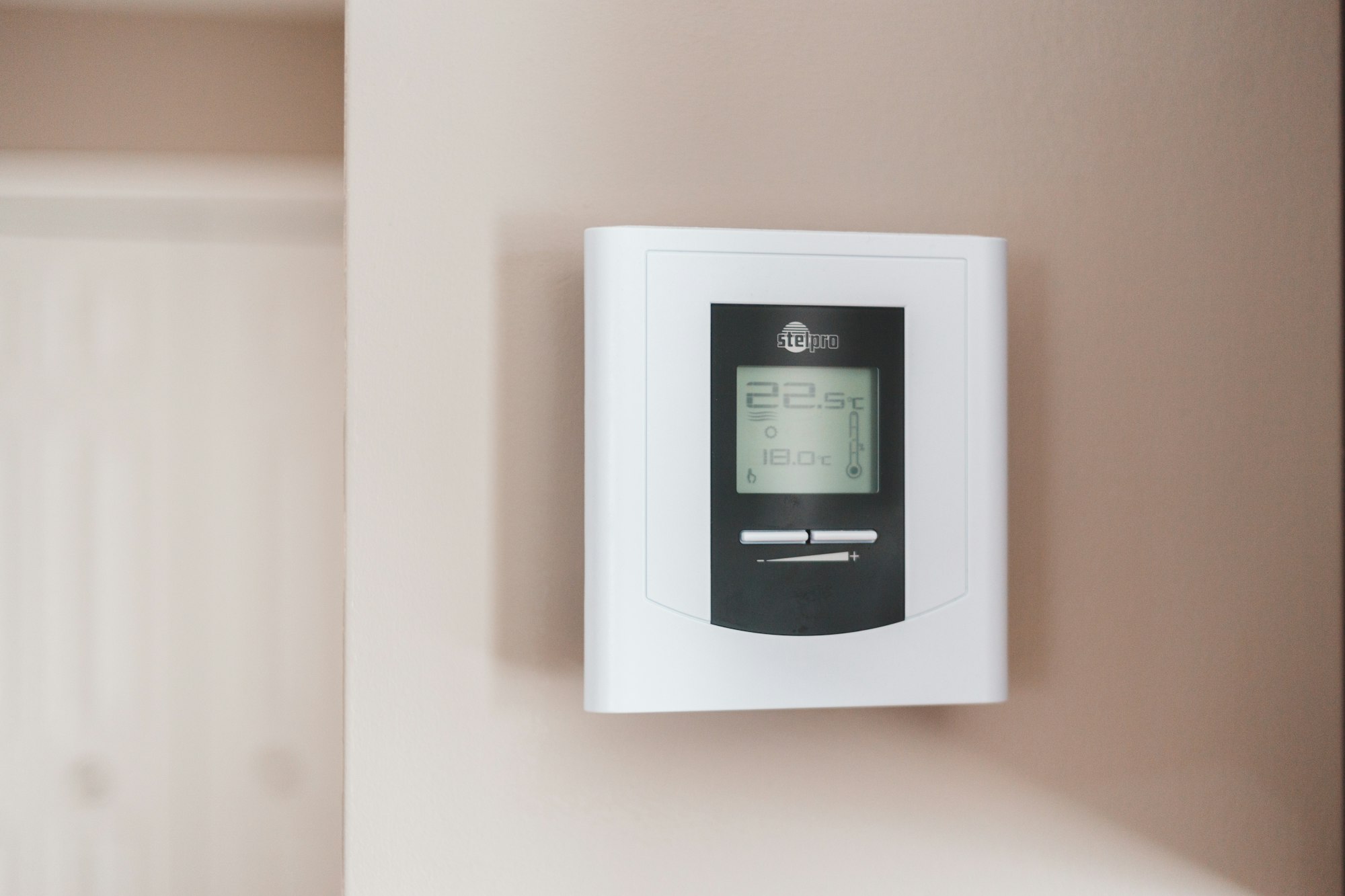
Temperature is one of the most useful triggers there is, and almost nobody uses it well. We crack the windows and kill the AC when it's genuinely nicer outside than in. We spin up greenhouse exhaust fans the instant the canopy passes 85°F, and we hold a vaccine fridge or wine cellar to within a tenth of a degree, logging every reading.
The most valuable rules are the protective ones: drip a faucet and open cabinet doors before a hard freeze, throttle a server closet that's creeping toward thermal shutdown, or cut power to a 3D printer if its hotend runs away. Every rule can watch indoor sensors, outdoor sensors, and the forecast at once.

A burst supply line can dump hundreds of gallons an hour and cost tens of thousands in damage. We place sensors exactly where water should never be — under sinks, behind the washer, beside the heater, in the sump pit — and wire them to a motorized shutoff on the main, a loud local siren, and a push notification you'll get whether you're upstairs or out of state.
Beyond the obvious spots, we watch the things people forget: a sump pump that hasn't cycled in a suspiciously long time, a tank inching toward overflow, or whole-home flow that keeps running at 3 a.m. when the house should be still — a classic signature of a slab leak.

Good lighting automation is invisible — it just always feels right. We build circadian schedules that shift from energizing daylight in the morning to warm amber after sunset, so the house naturally winds down with you. Occupancy and vacancy sensing means lights come on as you walk in and turn themselves off in rooms nobody's used for a while.
For the fun side: one-tap theater scenes that dim the room and lower the shades, sunrise-follow wake-up fades that beat any alarm clock, and an away mode that randomizes lamps room to room in the evening so an empty house still looks lived-in. Every scene works by voice, button, schedule, or trigger.
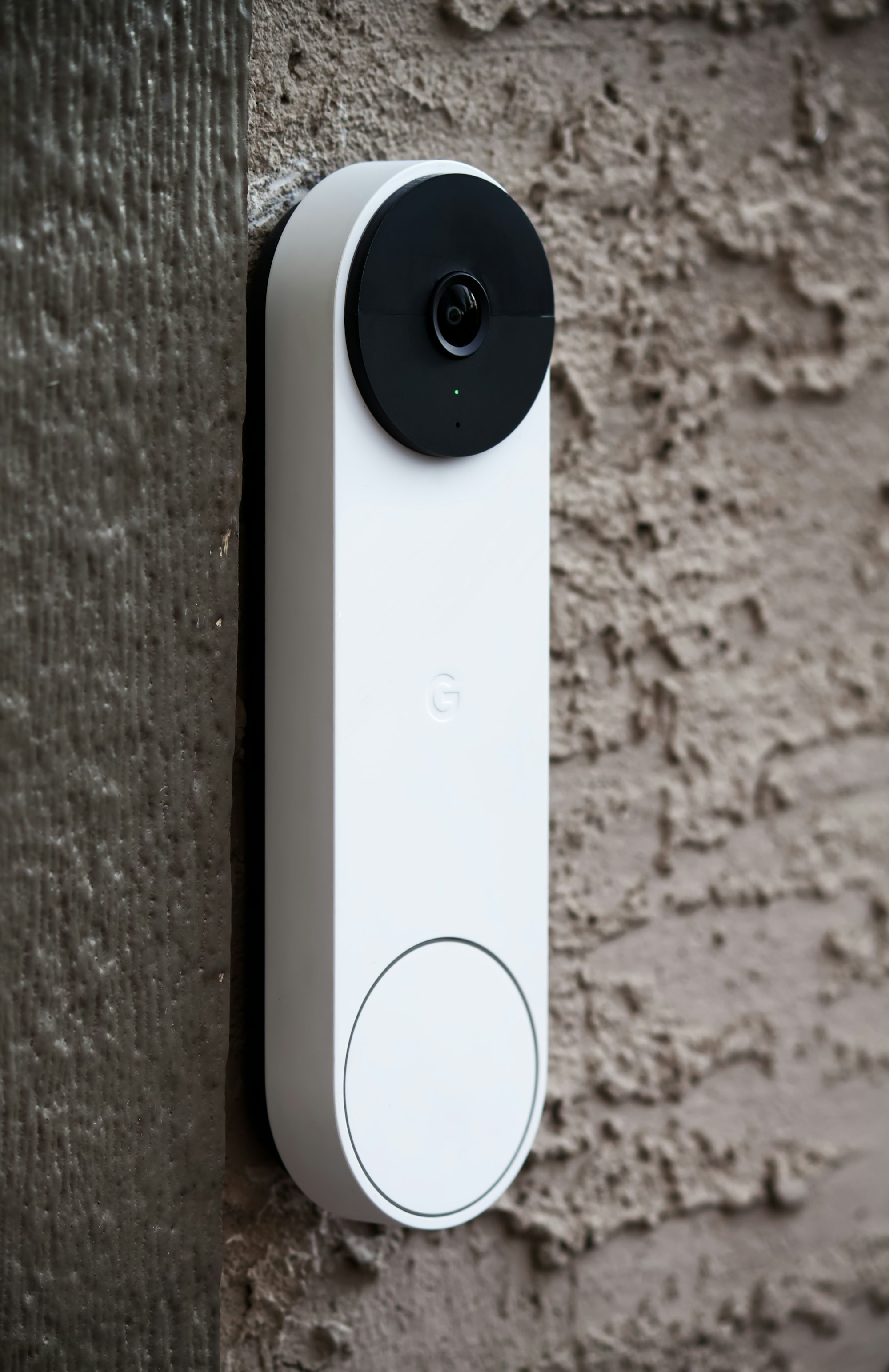
We turn a pile of cameras and sensors into a system that actually thinks. On-device face and license-plate recognition means the side gate greets a family member by name but flags a stranger lingering at the door. Package detection pings you the second a delivery lands — and again if it's still sitting there an hour later.
Access follows the same logic: doors auto-lock when everyone leaves the geofence, one-time codes expire after the cleaner's visit, and perimeter alerts fire only on real motion, not a swaying branch. Every event lands in a clean timeline with a clip attached, so you're not scrubbing footage to find the one thing that happened.
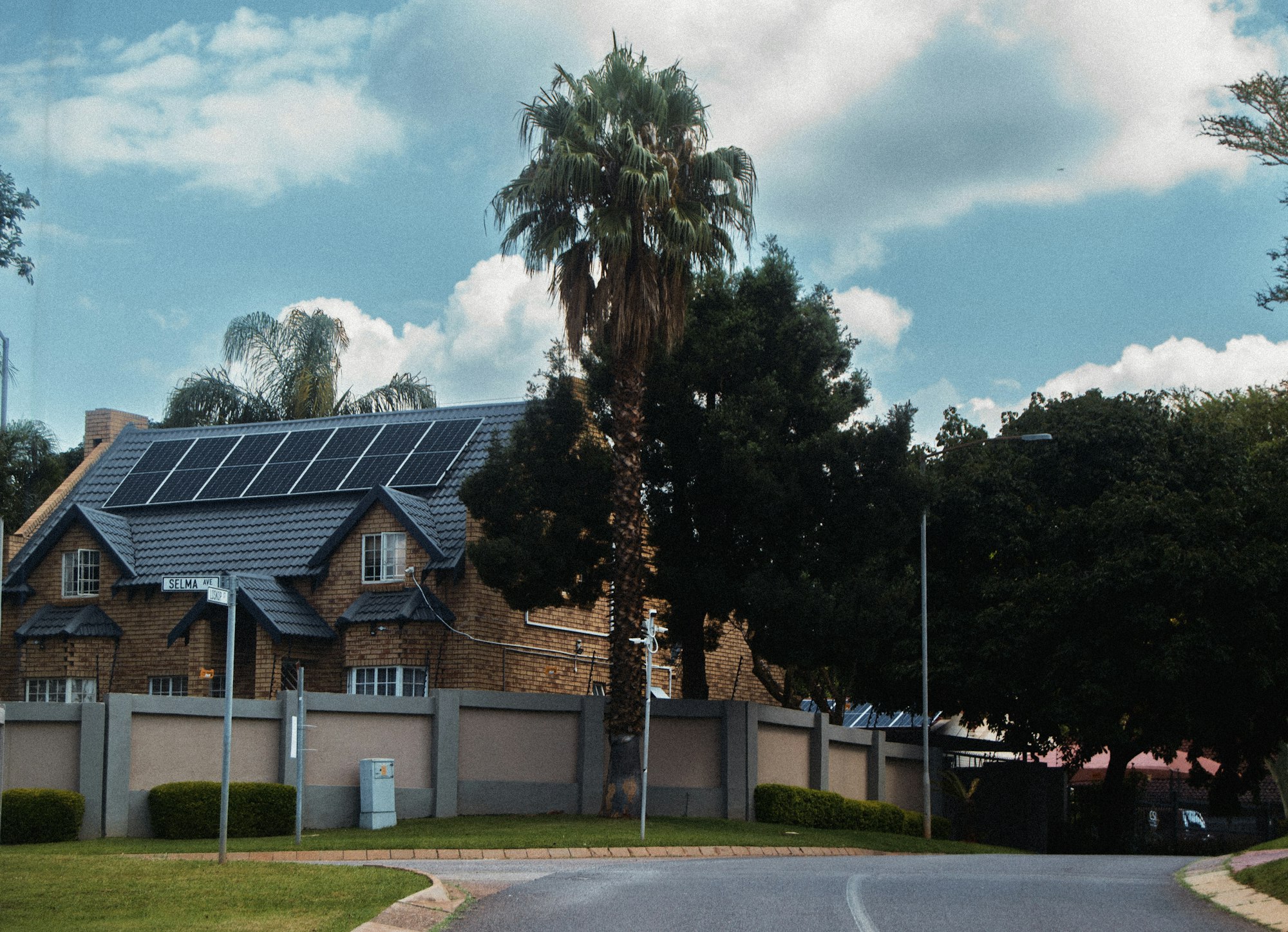
If you generate or store energy, the timing of every big load is money. We make solar-aware automations that run the dishwasher, pool pump, and water heater while the panels are flooding the house with free electrons, then back off as production drops. Peak-shaving rules pre-cool the building before the utility's expensive window and coast through it on battery.
For EV owners, charging waits for the cheap overnight rate — or jumps to full speed the moment surplus solar appears. And when the grid drops, generator and battery failover kicks in automatically, sheds non-essential circuits, and keeps the fridge, network, and medical equipment alive without you touching a thing.
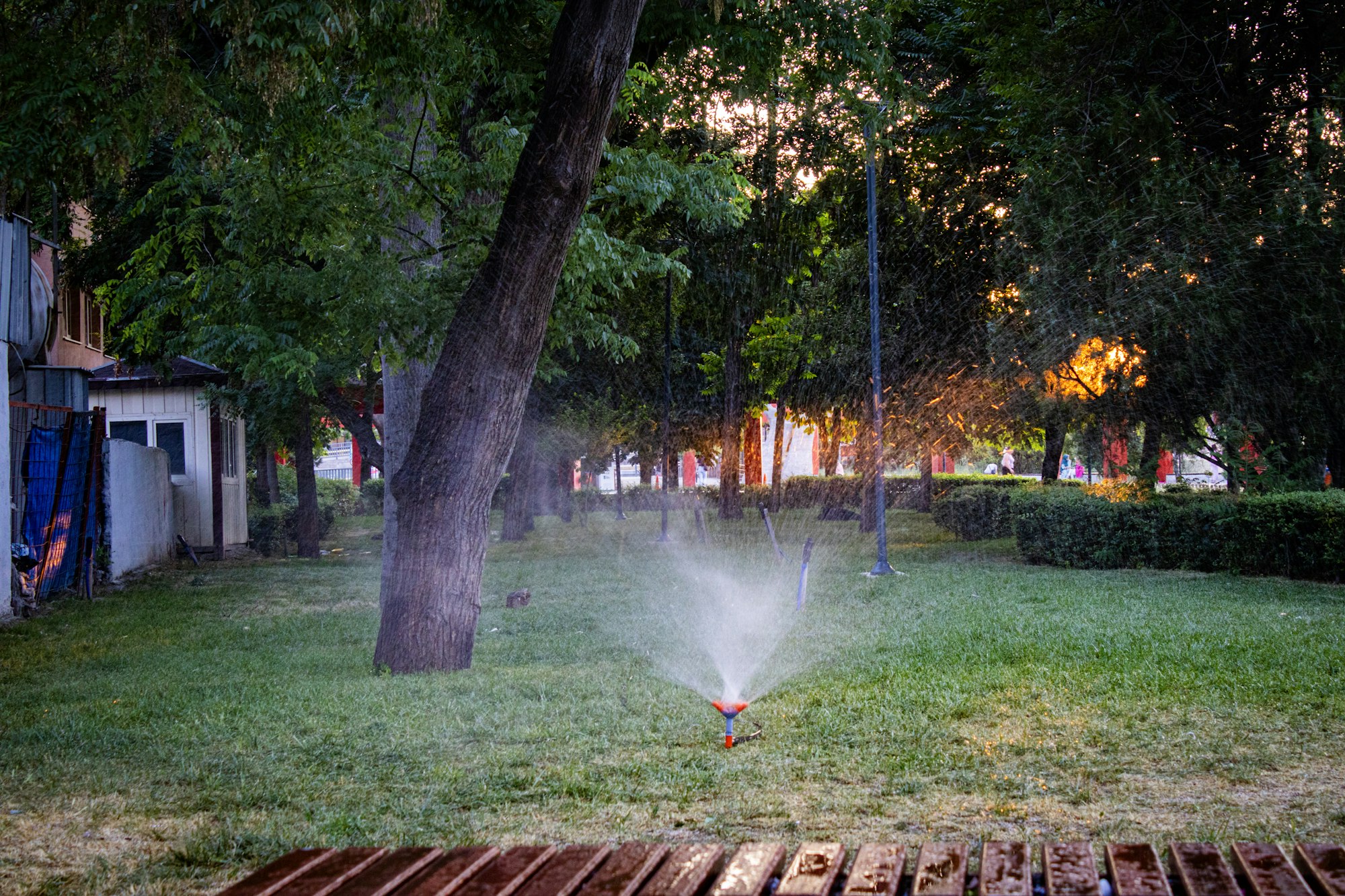
Most controllers water on a dumb timer whether it rained or not. Ours read the world first. Rain-skip cancels a cycle when real rainfall or a soaking forecast makes it pointless, and soil-moisture probes mean each zone only drinks when it's actually dry — flower beds, lawn, and vegetable rows on completely independent logic.
Zone scheduling spreads runs across the day to keep pressure stable, a freeze hold suspends everything below 36°F so you don't ice the sidewalk, and the whole system reports how many gallons it saved against a fixed schedule. Tie it to a flow sensor and a stuck valve or broken head pages you instead of flooding the yard.
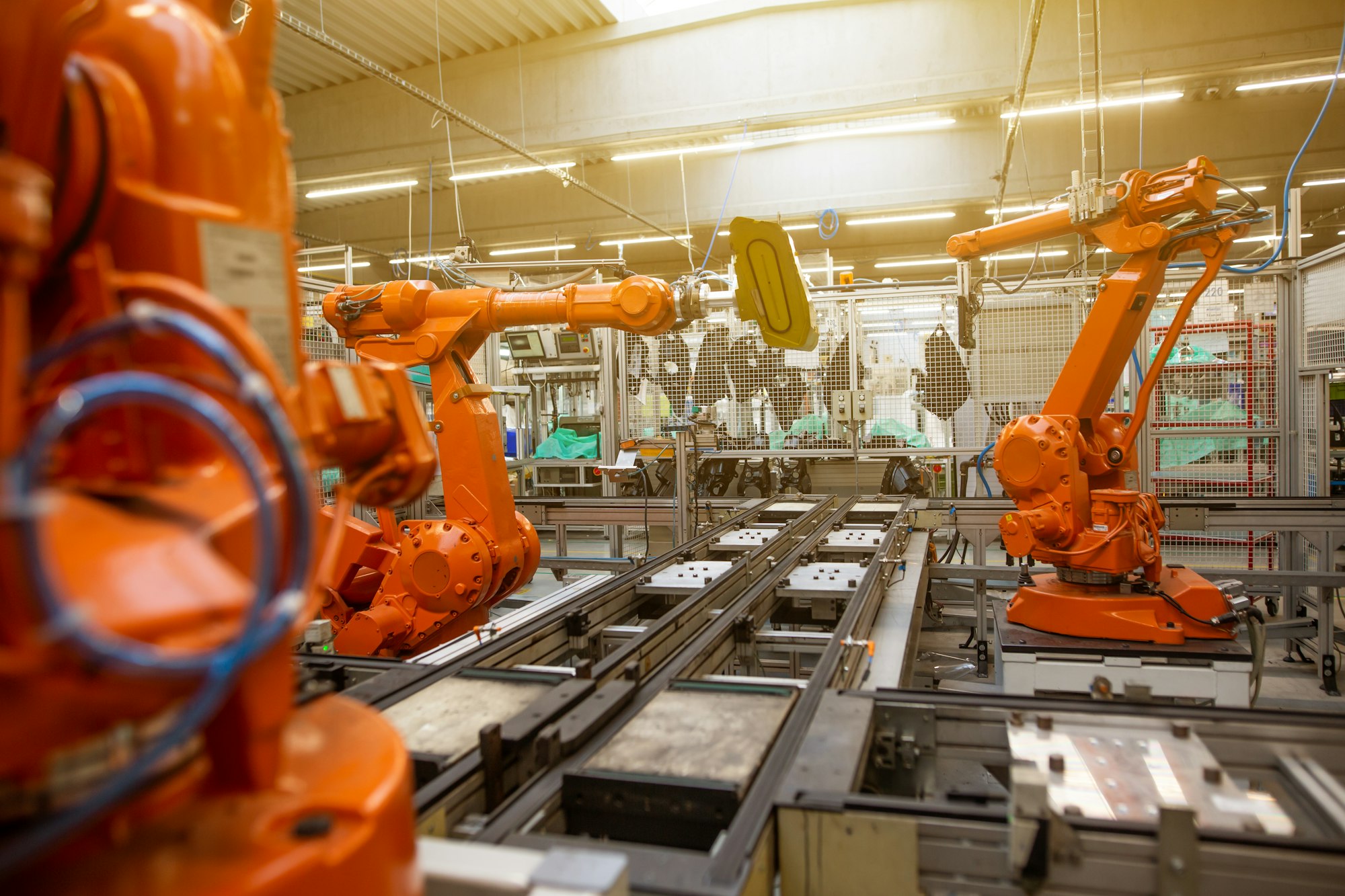
We speak to the equipment you already run — PLCs and SCADA over Modbus, OPC-UA, and dry contacts — and lift its data into dashboards and rules without disturbing the control loop. Predictive maintenance watches motor current, vibration, and bearing temperature to flag a failure days before it stops the line.
When something does go wrong, a line-stop alert reaches the right person in seconds with the exact fault code and the camera view of the station, not a vague red light nobody sees. We log cycle counts and downtime automatically for OEE reporting, and gate hazardous sequences behind interlocks so the automation can never override a safety condition.
Farms run on a thousand small, time-sensitive jobs, and that's exactly what automation is for. We hold a greenhouse to a precise climate band — vents, shade cloth, heaters, and misters all working together — and keep livestock water troughs full with float sensors that page you the instant a line freezes or a pump quits.
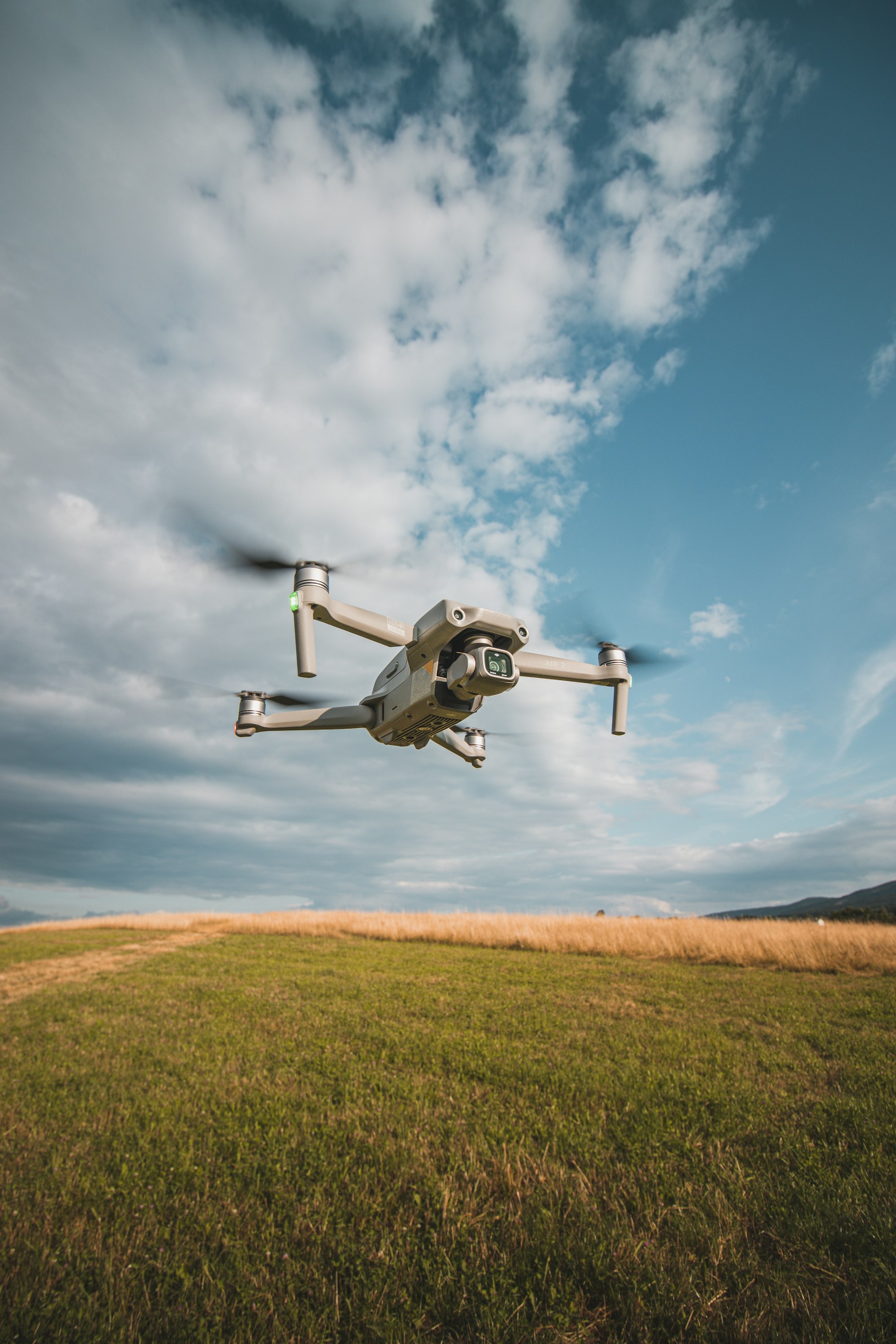
Coop and barn doors open at first light and close at dusk on the sun's schedule, not a clock that drifts with the seasons. Soil-moisture and weather-station data drive irrigation and frost protection, and we'll wire in drone imagery or in-field probes so you can see crop stress on a map before it's visible from the truck.

Software automation is the same craft pointed at your back office. We wire onboarding so a signed contract spins up the accounts, folders, and welcome sequence a new client or hire needs — no checklist, no forgotten step. Inventory that crosses a reorder threshold drafts the purchase order and waits for one click of approval.
After-hours routines power down displays, set the alarm, and post the day's numbers to the team channel. And the alerting layer means a failed payment, a stalled order, or a critical form submission reaches the right person immediately — through the channel they actually watch — instead of dying in an inbox.
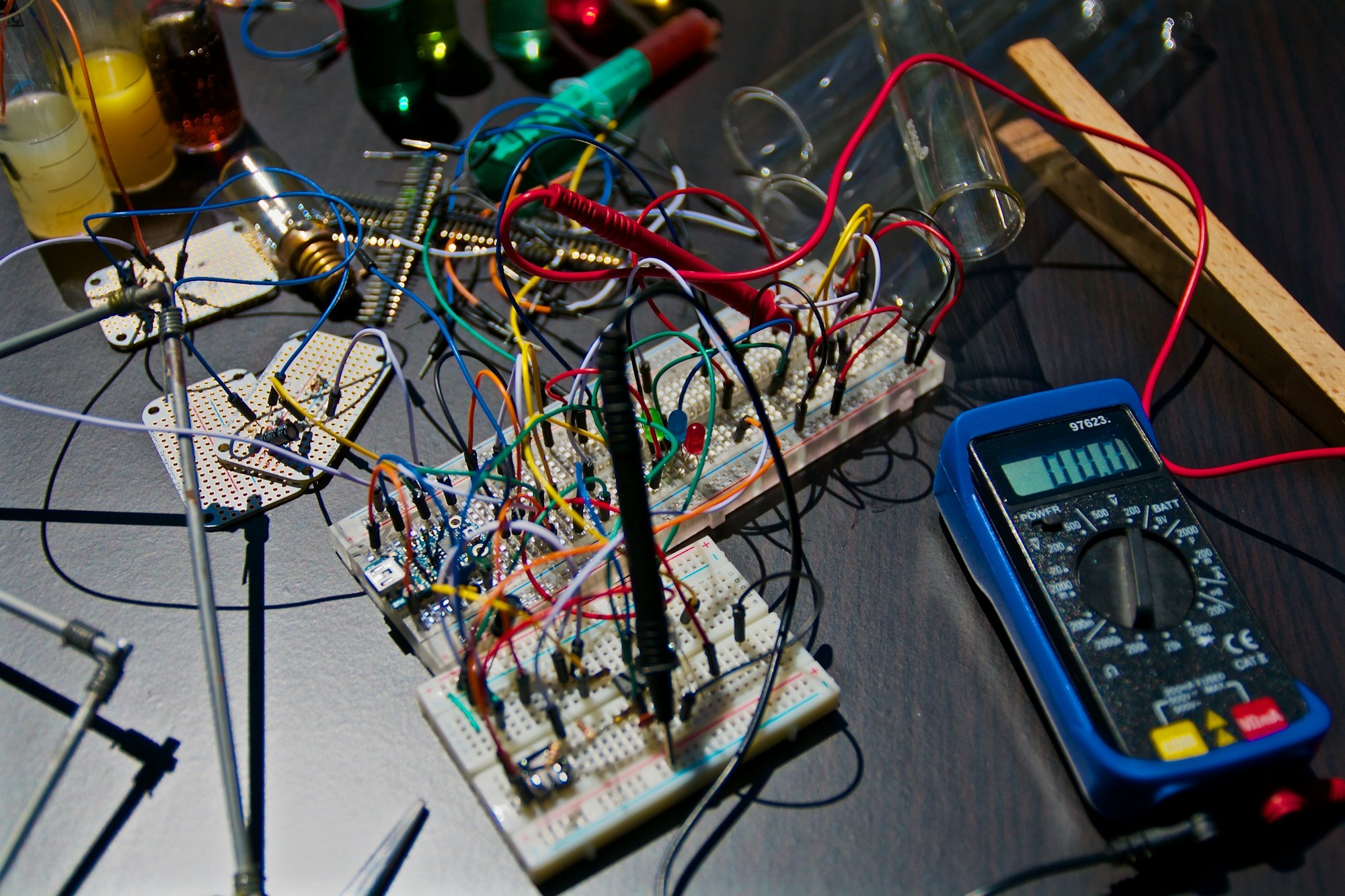
This is our favorite category. We've slewed a backyard observatory dome open and tracked the sky while logging seeing conditions. We've put a beehive on a load cell to weigh the colony's nectar flow and alert the keeper to a swarm. We've turned a homebrew rig into a closed-loop fermenter that holds mash and ferment temperatures to the degree and steps through the recipe on its own.
Pet feeders that portion by the cat's actual weight, an aquarium that doses and tests its own water chemistry, a model railroad that runs a real timetable — if it sounds too strange to automate, that's precisely the request we want. Bring us the thing three other shops said was impossible.
Most projects combine several of these. They're the connective tissue that turns a few clever rules into a system that genuinely runs itself.
The right message, to the right person, on the right channel — push, SMS, email, or a call when it's truly urgent — with escalation if no one responds.
Control anything by voice on the assistant you already use, and let the house respond to who's home, which room they're in, and the time of day.
Smart locks, gates, and intercoms with per-person codes, time-boxed guest access, and a clean log of exactly who came and went, and when.
Automatic config and data backups, redundant network paths, and graceful failover so a dead hub, dropped internet, or power blip doesn't take you offline.
Live location for vehicles, trailers, and assets with geofenced arrival alerts, idle and route reporting, and tamper or movement warnings after hours.
Custom assistants that summarize your cameras, answer questions about your home or shop, draft replies, and take action across your tools on your behalf.
Book a free, no-pressure consult. Tell us the problem — we'll tell you honestly whether (and how) we can automate it.